

The African college of excellence in the social and human sciences
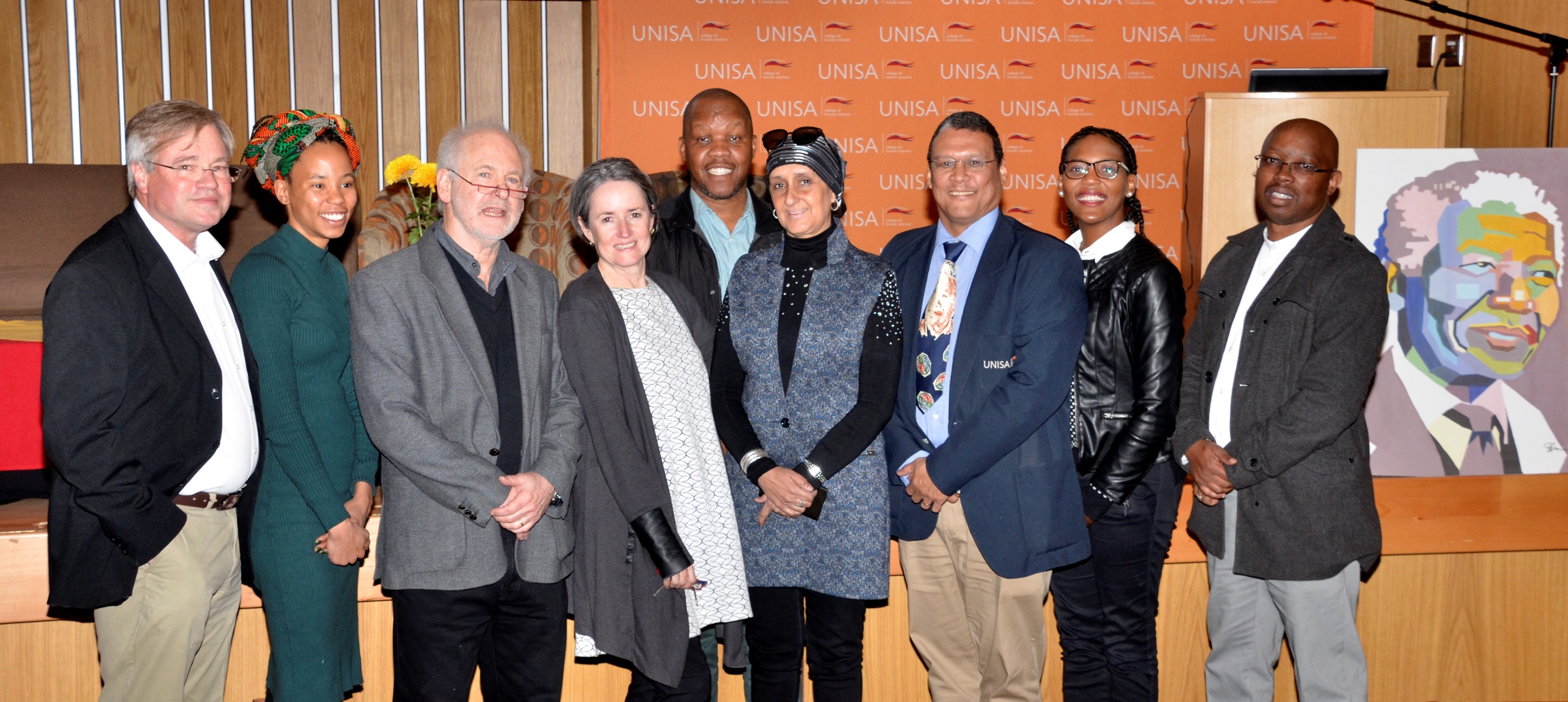
 The Department of History in Unisa’s College of Human Sciences hosted its second annual Nelson Rolihlahla Mandela Seminar that highlighted the lives and legacies Nelson Mandela and Ahmed Kathrada lived as ethical leaders and selfless liberators.
The seminar spoke to the fact that knowledge of the past is essential to society because without knowledge of the past we have no identity. Professor Andrew Phillips, Executive Dean of the College of Human Sciences, addressed the importance of embracing and teaching African history. He said that Africa as a continent has been a victim of exploitation and we need to do justice to the history of Africa and Africans.
He emphasised that by remembering Ahmed Kathrada for the future and reflecting on the lessons of Nelson Mandela’s life, the current generation and future generations can be empowered to resist the lies that depict Africa as a dark continent with no history. We should embrace the lives of two of our icons who sacrificed their lives so that we can live our lives through freedom, he said.
Remembering Kathrada for the future
Edward Kieswetter, board member of the Ahmed Kathrada Foundation said Kathrada was always clear on what he stood for and was also prepared to give his life for it. He portrayed humility and selflessness with all that he did and it was a privilege for him to learn the journey of Robbin Island through the eyes of someone who has lived in the experience.
He added that the leadership lesson he took away from the lives of Kathrada and Mandela, is that people don’t expect leaders to be perfect but rather to be authentic because authenticity is the high-water mark of leadership and not perfection.
A close friend to both Kathrada and Mandela, Sahm Venter, Senior Researcher at the Nelson Mandela foundation, remembers Kathrada for the quiet demeanor and strong political presence he had behind the limelight.
“There are those who were assassinated, prosecuted and those who went missing, never to be found again. All of these people played a part to bring about our democracy.” These are the words Ahmed Kathrada would use to always remind people that freedom did not fall from the sky.
Lessons from Nelson Mandela’s life
“The importance of Mandela was that he was constantly changing and he was a different man at different times,” Professor Raymond Suttner echoed as he began to proudly share the journey of Nelson Mandela.
He touched on various stories which illustrated how Mandela was not only gentle but also had the characteristics of a boxer. He was a law breaker, when it was necessary to break the law. His leadership did not fit a formula or a leadership manual, he was incredibly daring. He understood that there was a time to fight but he also knew that when it was possible to have peace, he would bend every effort to win and safeguard that peace and democracy.
“Listening was a very important quality of Mandela as a leader,” he said, adding that our past leaders were gentle but yet tough and that is the legacy we need to defend.
Inside Apartheid’s Prison
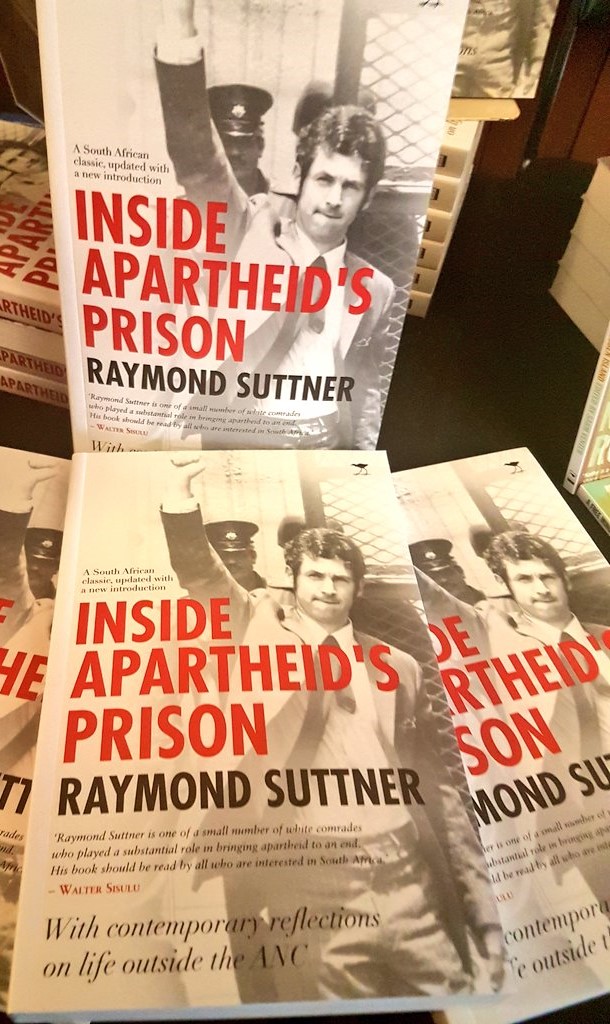
This year’s seminar also included the book launch of Professor Suttner’s book Inside Apartheid’s Prison, which focuses on his personal involvement in the struggle. As he spoke, he reiterated that his new book is not an academic book but rather about his personal account of how he linked his fate with the oppressed and embodied it as his own.
“When I say I am a freedom fighter, it meant that as a white person, I adopted the pain of the oppressed as my own and by doing so I had to prepare myself for the consequences.”
Being a freedom fighter is a reputation that needs to be re-earned every day of one’s life by the way one conducts themselves. Our job today is to work out what it means to be a freedom fighter in 2017.
* By Nomshado Lubisi (COMSA President)
Publish date: 2017-07-26 00:00:00.0
 CRDB Bank CEO earns PhD from Unisa
 In a world of misconceptions, clarity is power
 CSET showcases research excellence at Unisa Research and Innovation Week 2026
 Celebrating a linguist in pursuit of greatness
 Unisa advances digital skills through robotics and coding initiative