

The African college of excellence in the social and human sciences
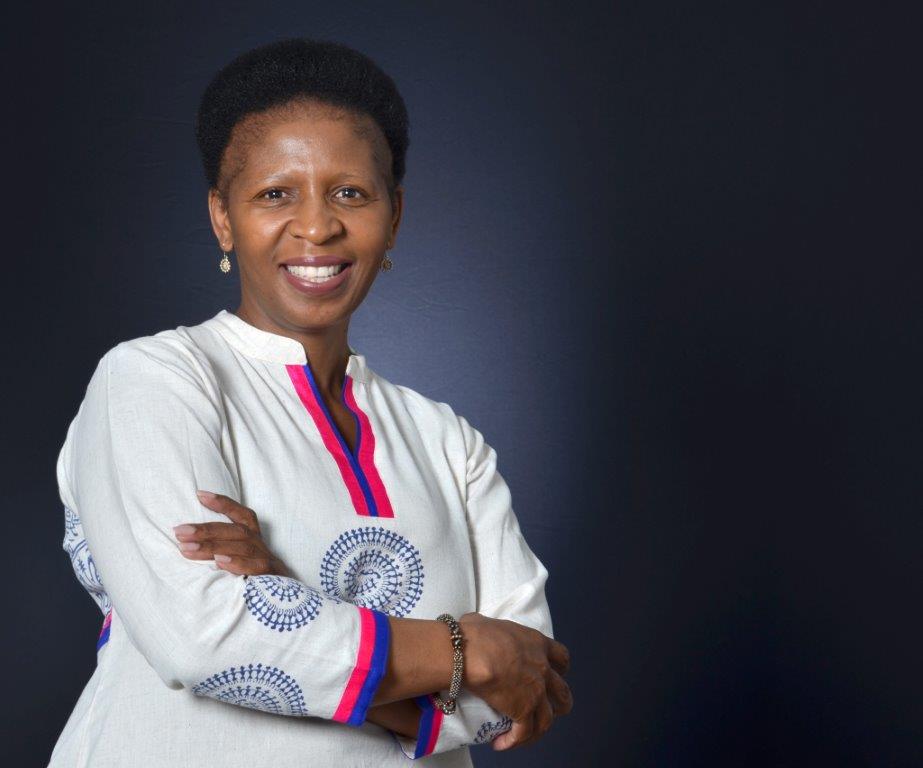 The mining industry has been the backbone of the South African economy for over a century. In light of the fact that the mining industry was the domain of males to the exclusion of women there was a need for some intervention to facilitate access to the industry for women. In this regard, the mining charter within the Minerals Petroleum Resources Development Act of 2010 has called for 10% representation of women in mining. The revised mining charter of 2017 calls for new targets of women at various occupational levels.
One of the milestones of the last two decades is simply the fact that the mining industry is now one of the career choices available to women. If the figures projected by the National Development Plan are anything to go by, the mining workforce will experience an upsurge in the coming years and a greater component of the new workforce will be made up of women. Similarly, if the uptake at tertiary institutions is boosted, particularly in fields previously recognised as suitable for males only, such as engineering, chemistry, geology and physics, then more women are still to make inroads into the mining industry, and challenge the male dominance in the sector.
Undoubtedly, South Africa has made strides in facilitating a gender sensitive environment in the workplace. It is axiomatic that women and men are physiologically different. In the realm of human rights, this is not a small distinction to make. International human rights activists have argued that a gendered analysis to human rights requires that policy makers should consider the special needs of women in a way that takes into account their bodily differences to men and their reproductive capacities. Just the very fact that women can fall pregnant brings with it its own safety challenges for the mother working underground and her unborn child.
The industry has had more than a decade to assess the employment patterns regarding the employment of women. The challenge though is that not much preparation was done to receive them into the industry qua women. Crudely put, women have had to go underground as ‘men.’ This is so because the attire they wear and the equipment they use underground are designed for use by men. Scholars warn, having to operate machinery, tools and equipment that have been designed for men, increases the risk of injury and ill-health. A study commissioned by the Mine Health and Safety Council, conducted by myself with women in gold mines found that some women reported ailments such as back, joint, shoulder and abdominal pains and other musculoskeletal disorders associated with labour intensive tasks.
Although the mining industry has also made progress in advancing the rights of women at the workplace, there is still room for improvement. One critical area that needs improvement is a gendered approach regarding occupational health and safety issues to embrace the steady inflow of women into the mining industry, to retain them within the industry.
* Written by Professor Lindiwe Zungu from the Department of Health Studies at the University of South Africa. She also won the Distinguished Women Researcher in Humanities and Social Sciences at the 2015 Women in Science Awards held by the Department of Science and Technology.
Publish date: 2017-08-29 00:00:00.0
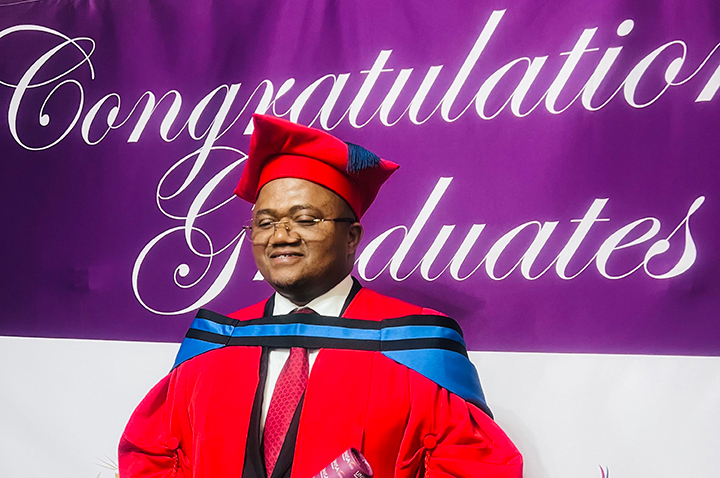 CRDB Bank CEO earns PhD from Unisa
 In a world of misconceptions, clarity is power
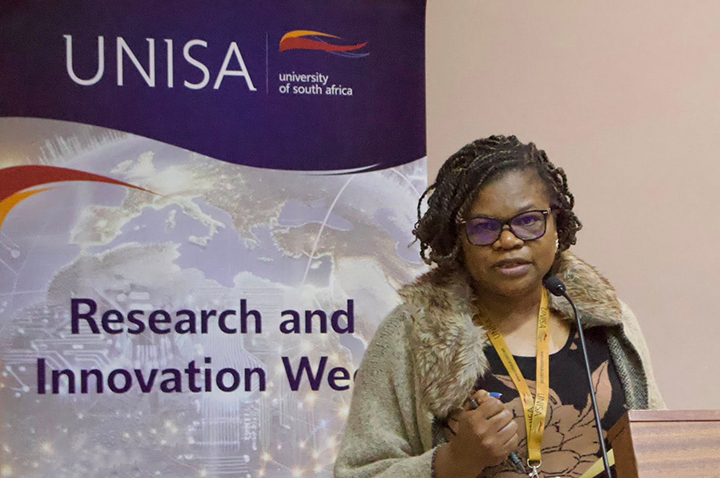 CSET showcases research excellence at Unisa Research and Innovation Week 2026
 Celebrating a linguist in pursuit of greatness
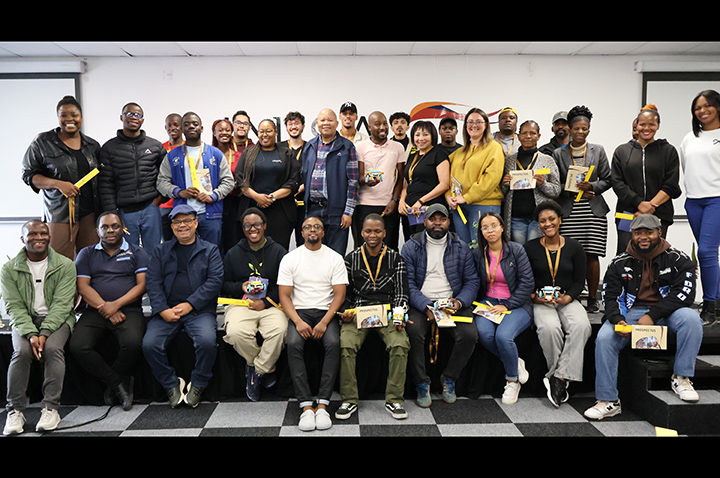 Unisa advances digital skills through robotics and coding initiative