

Enrolling on average 40% of all accounting students in South Africa
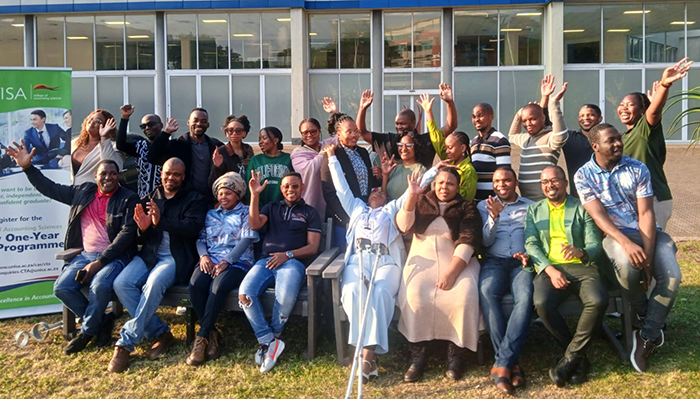
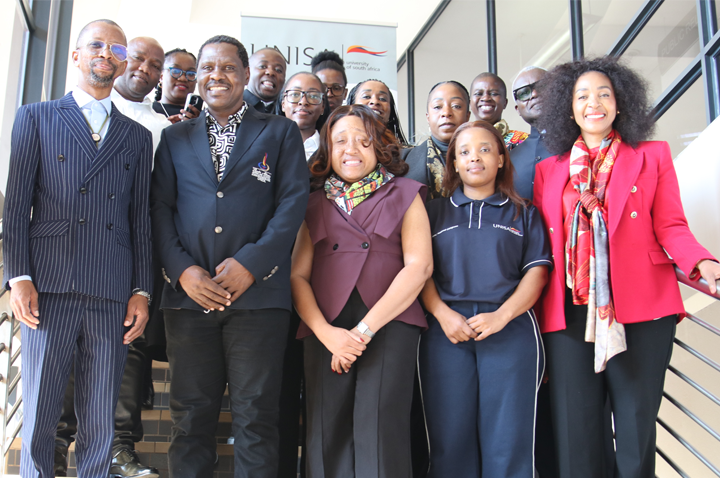
Workshop attendees and presenters
The College of Accounting Sciences (CAS) at the University of South Africa (Unisa) hosted a two-day SEQASS Project (M&D) Workshop in Durban, KwaZulu-Natal, from 8 to 9 July 2026, bringing together master's and doctoral students, academics and professional support staff to strengthen postgraduate student engagement in quality assurance and support students throughout their research journeys.
The workshop formed part of the SEQASS Project, which aims to improve postgraduate quality assurance by promoting meaningful student engagement and providing students with the knowledge, tools, and institutional support needed to navigate master’s and doctoral studies successfully.
Opening the workshop on behalf of the Regional Director, Siyabonga Seme, Manager: Communication and Marketing for the region, welcomed participants and highlighted the value of creating opportunities for students and university staff to engage face-to-face. "We’re grateful that this kind of engagement is taking place in our region to ensure that student engagement is not only something that takes place in theory, but also in practice, in person, so that we establish human-to-human relationships," he said.
He also congratulated the master’s and doctoral students on their academic journeys. He encouraged them to remain committed to completing their qualifications despite the challenges of balancing work, personal responsibilities, and postgraduate studies.
Following the opening remarks, participants were welcomed by the Deputy Executive Dean of CAS, Prof Cameron Modisane, who emphasised the importance of postgraduate research in developing independent thinkers, researchers and future leaders capable of contributing new knowledge and addressing societal challenges.
The programme then focused on the workshop's purpose and the importance of postgraduate student engagement in quality assurance before moving on to the master’s and doctoral research journey. Participants were introduced to the roles and responsibilities of supervisors and students, the Master's and Doctoral (M&D) Dashboard, the memorandum of understanding, and key postgraduate processes that guide students from registration to graduation.
Presenting on the master's and doctoral research journey, Prof Bernedene de Clercq, M&D Coordinator at the Department of Taxation, encouraged students to take ownership of their studies and make full use of the University’s support structures. "This is not your supervisor’s study," she said. "It is yours. You need to take ownership. You need to control the narrative, and you need to control the dates, and you need to take responsibility for your research journey."
De Clercq further explained the importance of understanding the postgraduate process from the outset, encouraging students to think with the end goal in mind while actively engaging with supervisors, available resources, and institutional support services throughout their studies.
Research support initiatives formed a significant part of the workshop. Prof Roshelle Ramfol, an associate professor in the Department of Auditing, introduced participants to the range of support services available to master’s and doctoral students. Emphasising that postgraduate research requires active participation and perseverance, she said, "Research is a verb. It is in the doing. You can listen to weeks of content, but it is when you sit in front of your computer and begin applying what you have learnt that the real journey starts."
She also encouraged students to remain resilient throughout their postgraduate journeys and to make use of the many support structures available within the university.
The workshop continued with a presentation by David Mahlangu, Personal Librarian for CAS, who outlined the library support services available to postgraduate students. His session highlighted the role of library resources and research support services in strengthening students’ research capacity and assisting them throughout the research process.
The remainder of the first day focused on ethics applications, managing the master’s and doctoral research journey at a distance through CGS services and Atlas.ti, and master's and doctoral assessment procedures and academic integrity. Reflection sessions after each presentation allowed participants to engage with presenters and clarify key concepts.
Day two commenced with a recap of the previous day’s discussions before turning attention to current issues affecting postgraduate research. Sessions discussed the ethical use of artificial intelligence (AI) in postgraduate studies and introduced the Student Writing Conference proposal as an initiative to further support postgraduate research development.
Participants then took part in improvement planning sessions under Focus Area 1, Genuine Quality Assurance, where discussions centred on bridging the CODeL gap, strengthening academic writing skills, improving supervisor support, and making effective use of student feedback to improve the postgraduate experience.
The workshop concluded with student presentations, reflections from college leadership and the Student Representative Council, followed by the official closure and a group photo session.
Over the two days, the workshop provided postgraduate students with practical guidance, access to institutional support services, and opportunities to engage directly with academic and professional staff. The sessions highlighted the college’s commitment to strengthening postgraduate quality assurance while providing students with the knowledge and resources needed to complete their master’s and doctoral studies successfully.
* By Anneline Johns and Zamaswazi Khanyile, Communications Interns, KwaZulu-Natal Region
Publish date: 2026-07-23 00:00:00.0

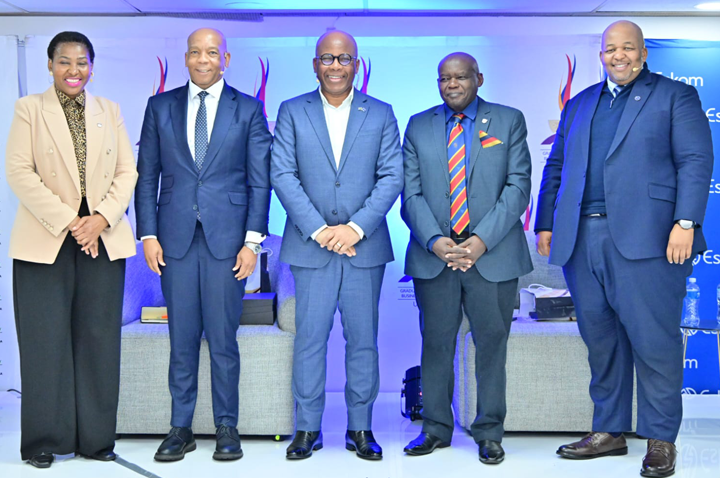 Unisa SBL brings energy leaders together to ask: Can South Africa keep the lights on?
 Renowned and multi-award-winning acts to headline the 2nd Unisa African Music Festival
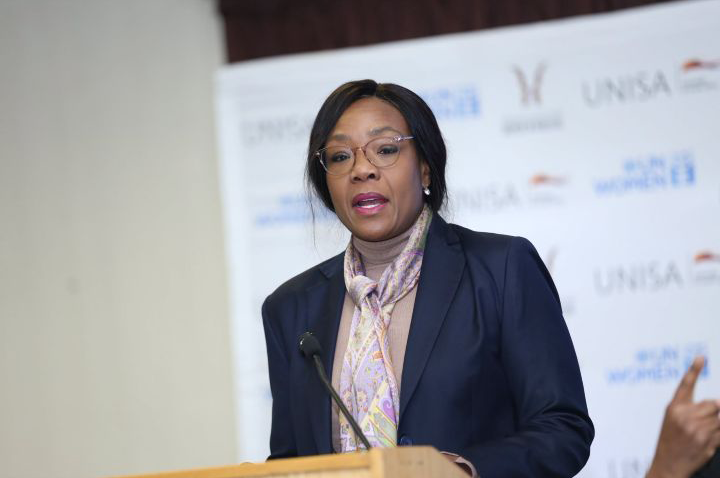 From the women of 1956 to the women of tomorrow: Unisa dialogue calls for action
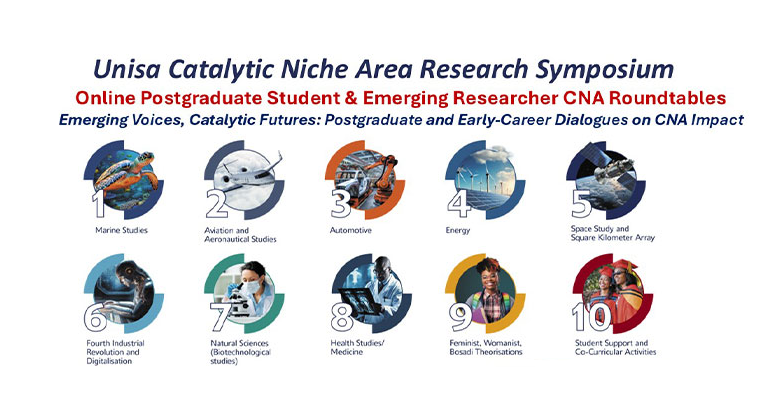 Emerging researchers turn Unisa's Catalytic Niche Areas into engines of collaboration and impact
 Africa's future is in your hands: Unisa and AUDA-NEPAD challenge youth to drive Agenda 2063